
Artificial Turf Done Right: What Actually Matters Before You Install
Why most artificial turf installations fail has nothing to do with the turf — and everything to do with what’s underneath it.
Artificial turf should make your life easier, not create new problems. Yet many homeowners experience uneven surfaces, standing water, or turf that wears out far too soon — all because critical planning steps were skipped during installation.
If you’re considering artificial turf, here’s what actually matters — and how a properly planned installation protects your investment.
Why Homeowners Choose Artificial Turf
People don’t choose turf because it’s trendy.
They choose it because they want their outdoor space to work.
Artificial turf is ideal for homeowners who want:
A clean, usable yard year-round
Less maintenance and no mowing
A solution for areas where grass struggles
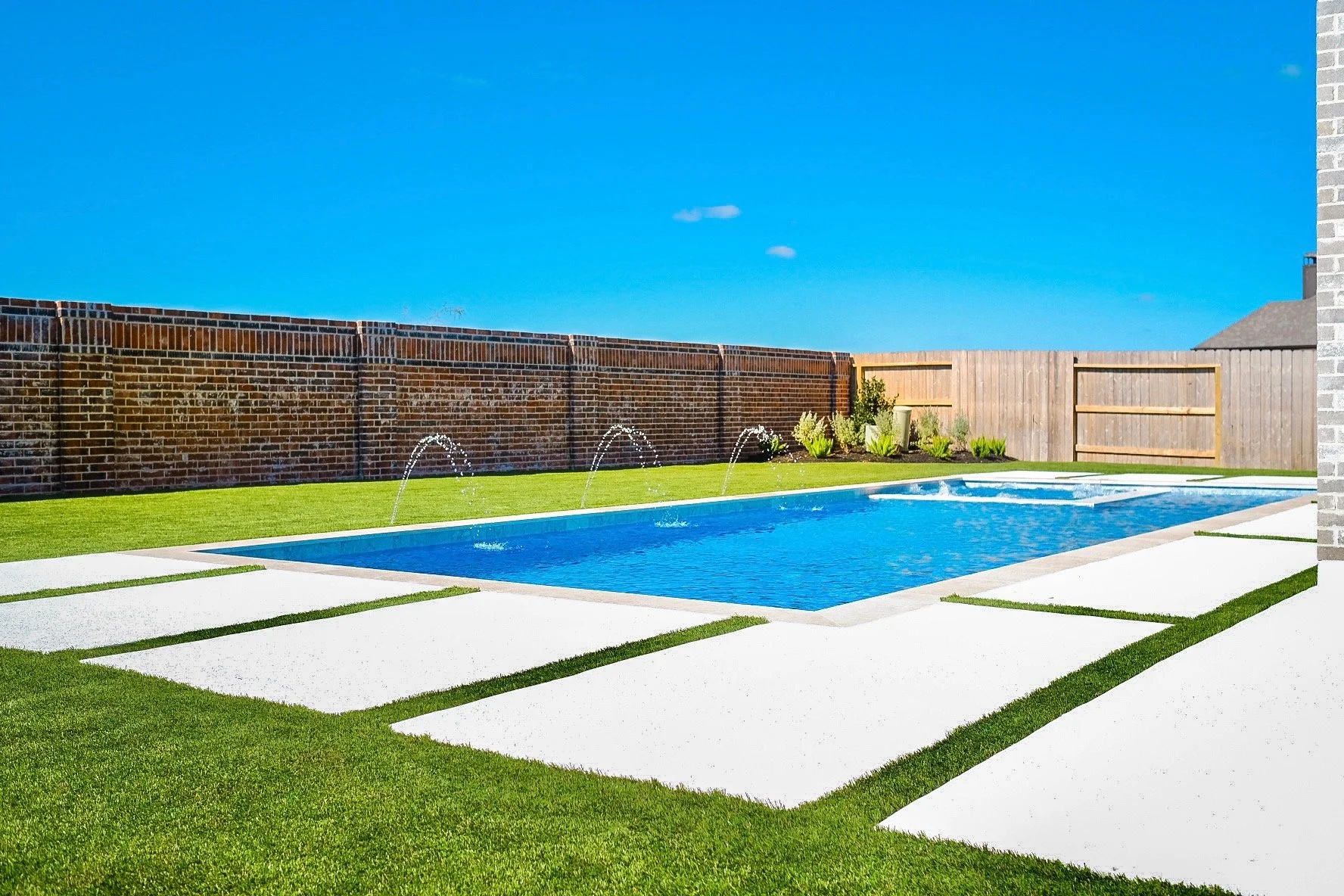
A polished look around pools and patios
A pet- and family-friendly surface that drains properly
The goal isn’t fake grass.
The goal is a functional outdoor space that stays usable in all seasons.
Turf Quality Matters A Lot
Not all turf is created equal.
Many installations fail because lightweight, low-grade turf is used to cut costs. We don’t install that.
We use commercial-grade turf in residential spaces because it offers:
Stronger blade structure and recovery
Improved drainage performance
Higher UV resistance
A more natural, finished appearance
All of the turf we install is designed to be safe for both pets and children, making it suitable for everyday use, play, and relaxation.
Good turf holds its shape — it doesn’t flatten after one summer.
Installation Is Where Most Turf Projects Fail
Turf is only as good as what’s underneath it.
Uneven ground, poor drainage, or skipped preparation can lead to:
Standing water
Soft or sunken areas
Shifting seams
A shortened turf lifespan
That’s why every turf project should begin with an evaluation of soil conditions, grading, and drainage needs — not just surface measurements.
Our Artificial Turf Installation Process
We don’t rush installs — we build them correctly.
1. Site Evaluation & Drainage Planning
We begin by assessing the site for:
Existing drainage issues
Low or poorly graded areas
Soil type and compaction needs
Some sites require additional drainage solutions, such as:
Subsurface drainage lines
Gravel trenching
Adjusted grading to redirect water flow
Drainage is addressed before turf is ever installed — not after problems appear.
2. Excavation & Grading
Existing grass, soil, and debris are removed to create a clean foundation.
The area is graded intentionally so water flows away from structures and high-use areas.
Water should move through the yard — not sit on top of it.
3. Solid Base Installation
A compacted base (typically crushed stone) is installed in layers and mechanically compacted.
This creates:
Long-term stability
A smooth, level surface
Protection against settling and dips
If the base fails, the turf fails.
4. Commercial-Grade Turf Installation
We install high-quality turf designed for durability, drainage, and heat resistance.
Seams are aligned carefully, edges are secured cleanly, and the turf is stretched properly to prevent movement or wrinkles.
Details matter — especially where turf meets hardscapes and pools.
5. Infill: Sand + Envirofill (What It Is & Why It Matters)
Infill is not an afterthought — it’s a critical part of how turf performs.
We use a combination of:
Sand infill to add weight, stability, and blade support
Envirofill, a premium acrylic-coated sand infill
Envirofill is non-toxic, antimicrobial, and designed to be safe for both pets and children.
It helps:
Reduce odors (especially in pet areas)
Limit bacteria growth
Improve cooling performance
Extend the life of the turf
All turf and infill materials we use are pet-safe, child-safe, and designed for residential environments where people actually live, play, and relax.
Infill keeps turf upright, comfortable, and performing the way it should.
6. Power Brushing & Final Detailing
We power brush the turf to lift blades and evenly distribute infill, creating a clean, natural finish.
The goal is turf that looks intentional.
Where Artificial Turf Works Best
Artificial turf performs best in:
Backyards and side yards
Pool surrounds
Pet runs
Courtyards and shaded areas
Areas with drainage or wear challenges
When installed correctly, turf integrates seamlessly with hardscapes and landscaping.
Is Artificial Turf Right for Your Home?
Artificial turf isn’t about shortcuts.
It’s about choosing a low-maintenance solution that supports how you live outdoors.
If drainage issues, wear, or maintenance have made parts of your yard unusable, turf may be the right answer — when installed with intention.
Our Promise
Every project begins with listening.
We assess the site, plan for drainage, and install turf the right way — not the fast way.
Our focus is simple:
Thoughtful site preparation
Drainage addressed when needed
Commercial-grade materials
Pet- and family-safe turf systems
Outdoor spaces that last
👉 Schedule a backyard consultation to see if artificial turf is the right solution for your home.
